New Documentary Brings Yale Professors Together with Israelis Peers to Discuss Academic Boycotts
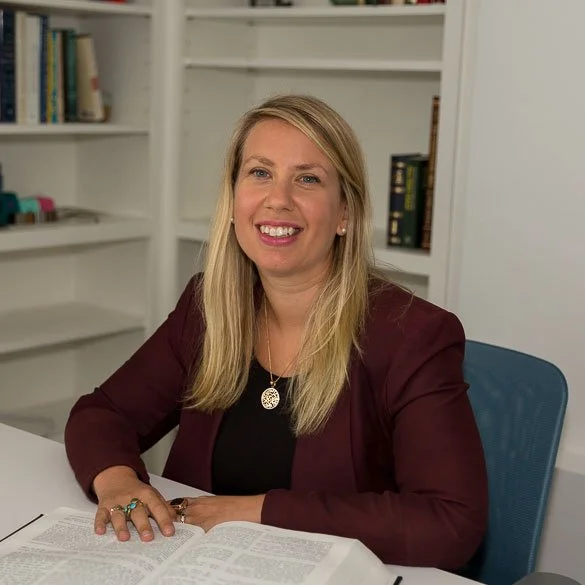
After 25 Yale academics trekked to Israel for a whirlwind tour — meeting with peers and visiting the ruins of the October 7 massacres — Professor Roya Hakakian directed a 17-minute documentary about the experience, hoping to ignite discussions about the Boycott, Divestment and Sanctions movement and how it imperils Israeli professors and medical staff.
Making Headlines
Articles to Read
Written by Faculty
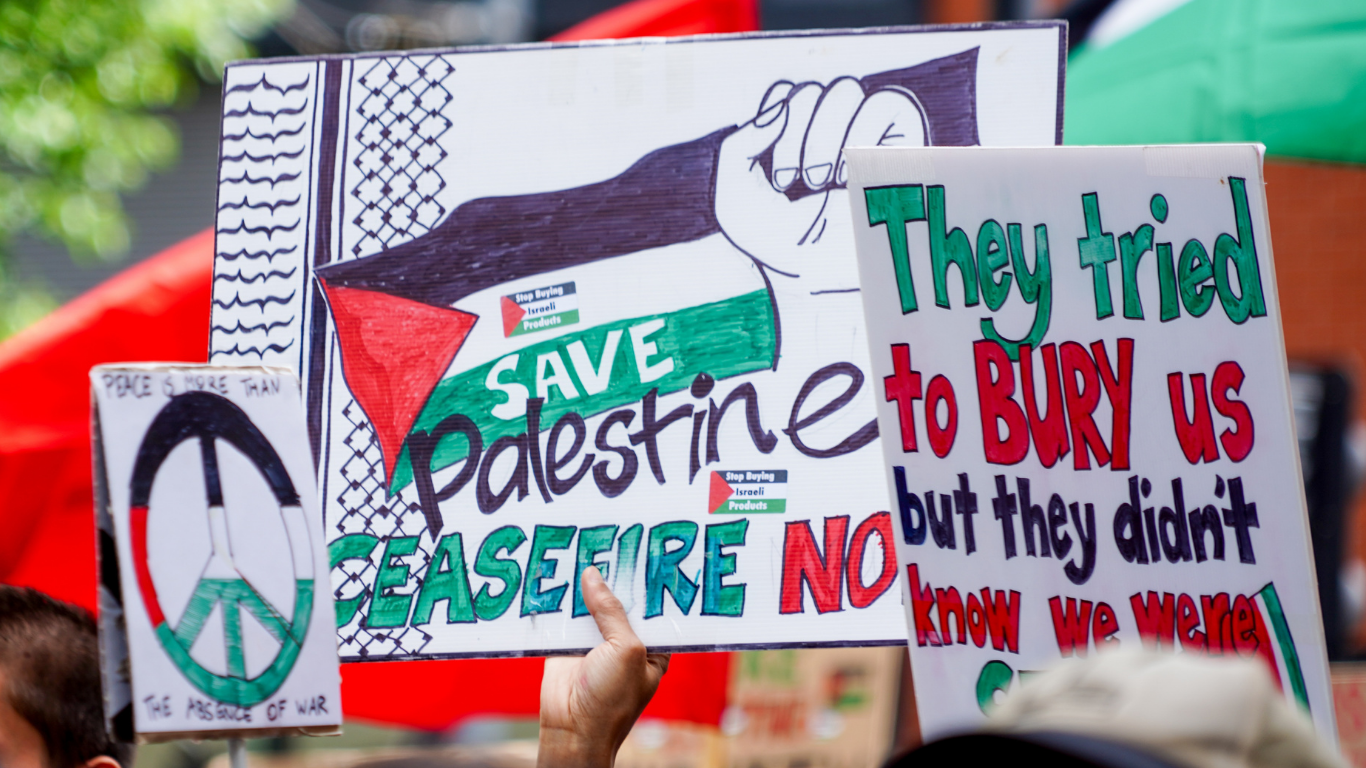
BDS as a Threat to Academic Freedom and Campus Free Speech in the United States
BDS-related activism has undermined and threatened to erode well-established notions of academic freedom and free speech on a growing number of college campuses.
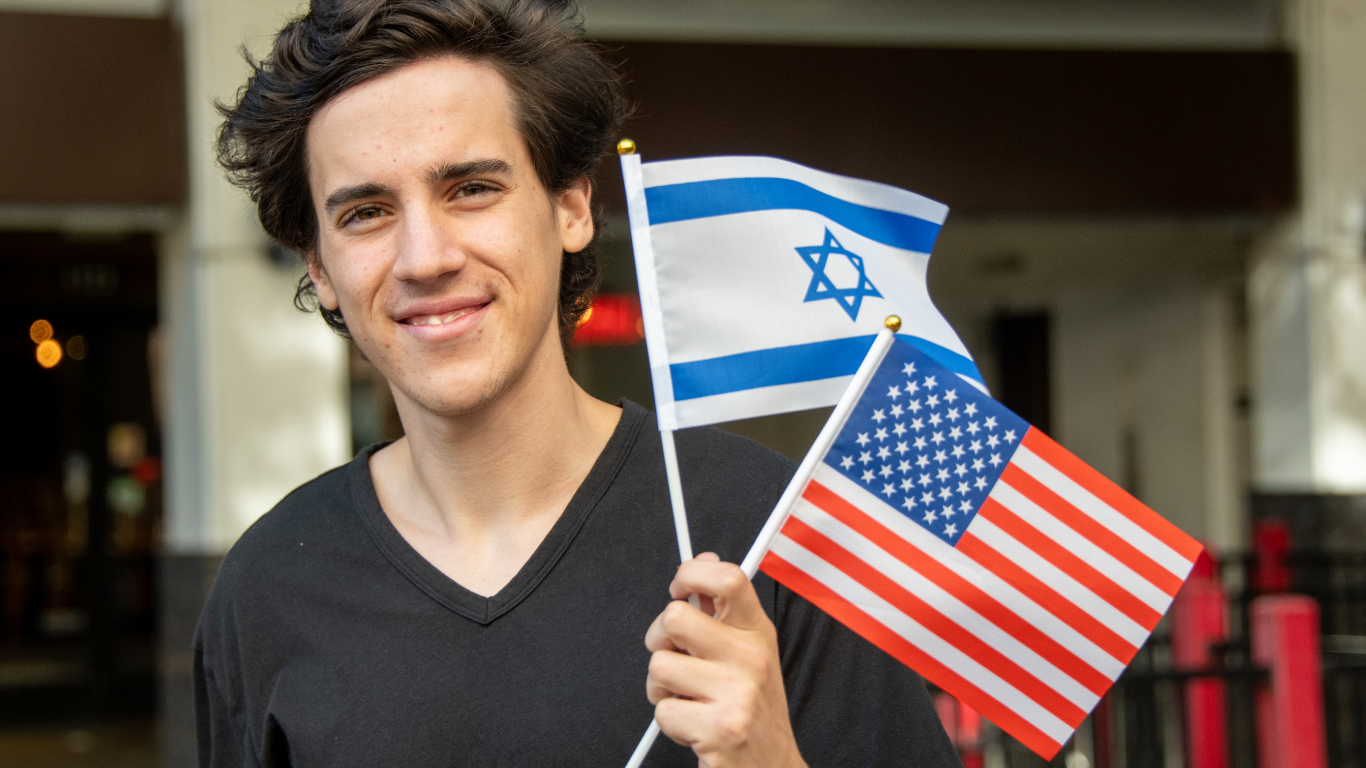
An Open Letter: Faculty United Against the Academic Boycott of Israel
We, the undersigned scholars who teach and research in diverse fields of study at campuses across the globe, are deeply opposed to these efforts to shun and isolate our Israeli academic colleagues, and to deny our students the educational opportunities of studying in Israel.
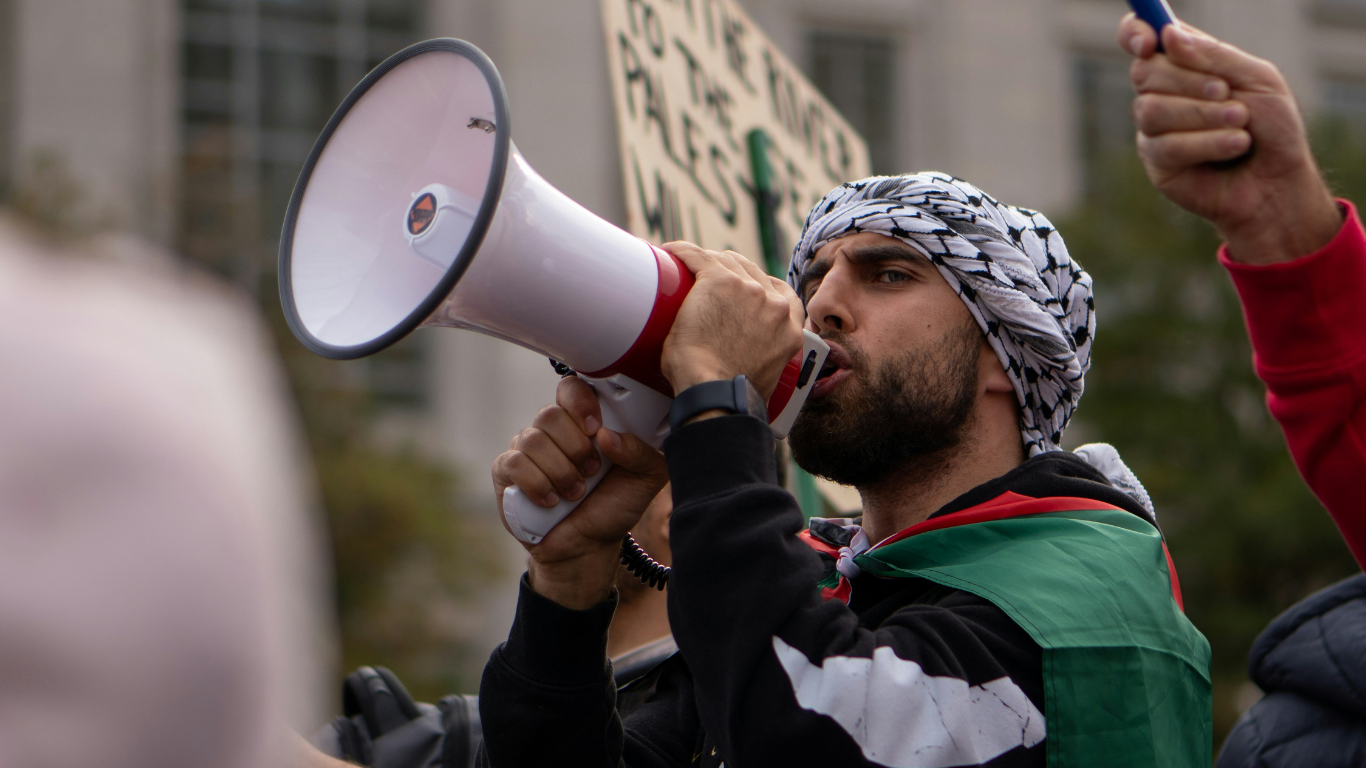
Anti-Israel Divestment Campaigns on U.S. Campuses After October 7
For moral, humanitarian, financial, and, most of all, for academic reasons, universities should be deepening their relationships to Israeli institutions and investing in, not divesting from, Israel.
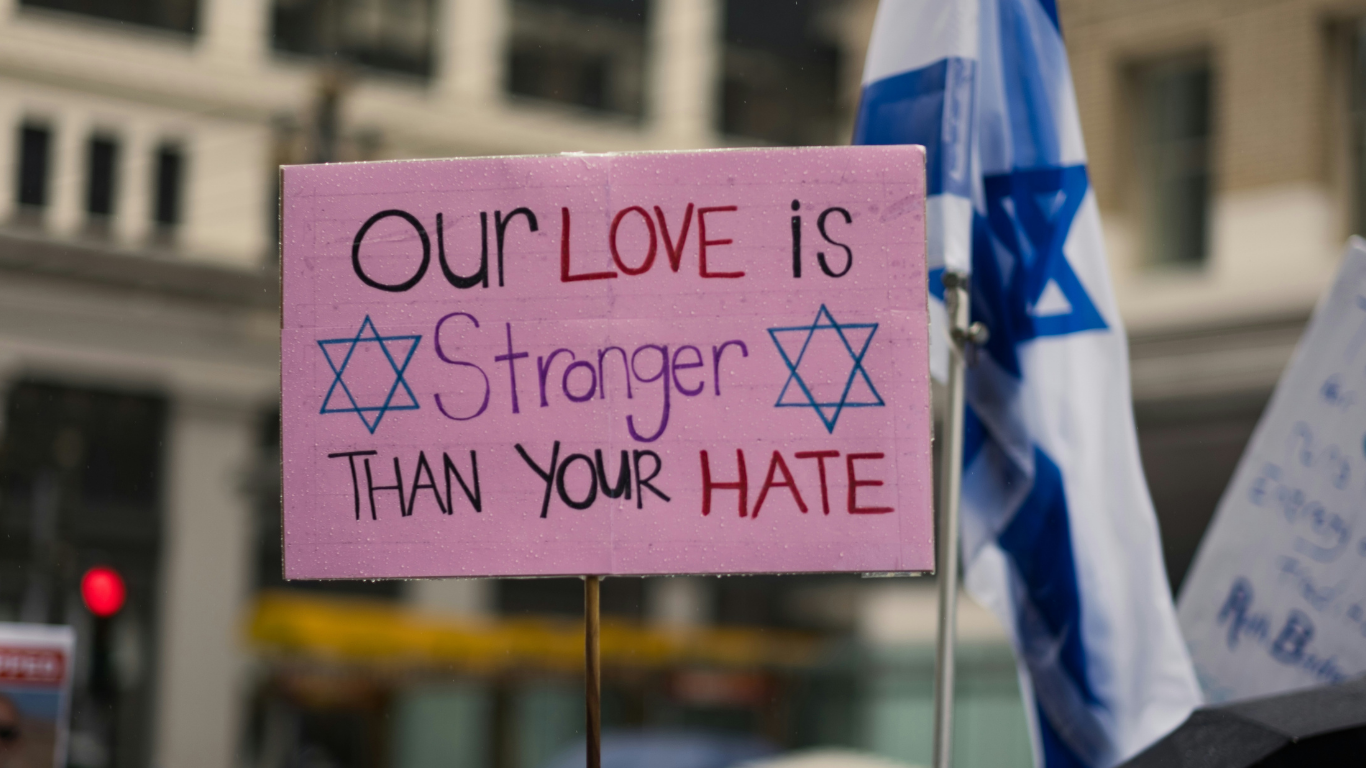
On Becoming a Jewish Activist
I am a Jewish activist. But it was not always thus. How did I become one and how can you? Here is my story: In June of 2021 (after a war between Israel and Hamas), I was happily hiking with my family in the mountains of Colorado. At some point, I made the mistake of looking at my phone.
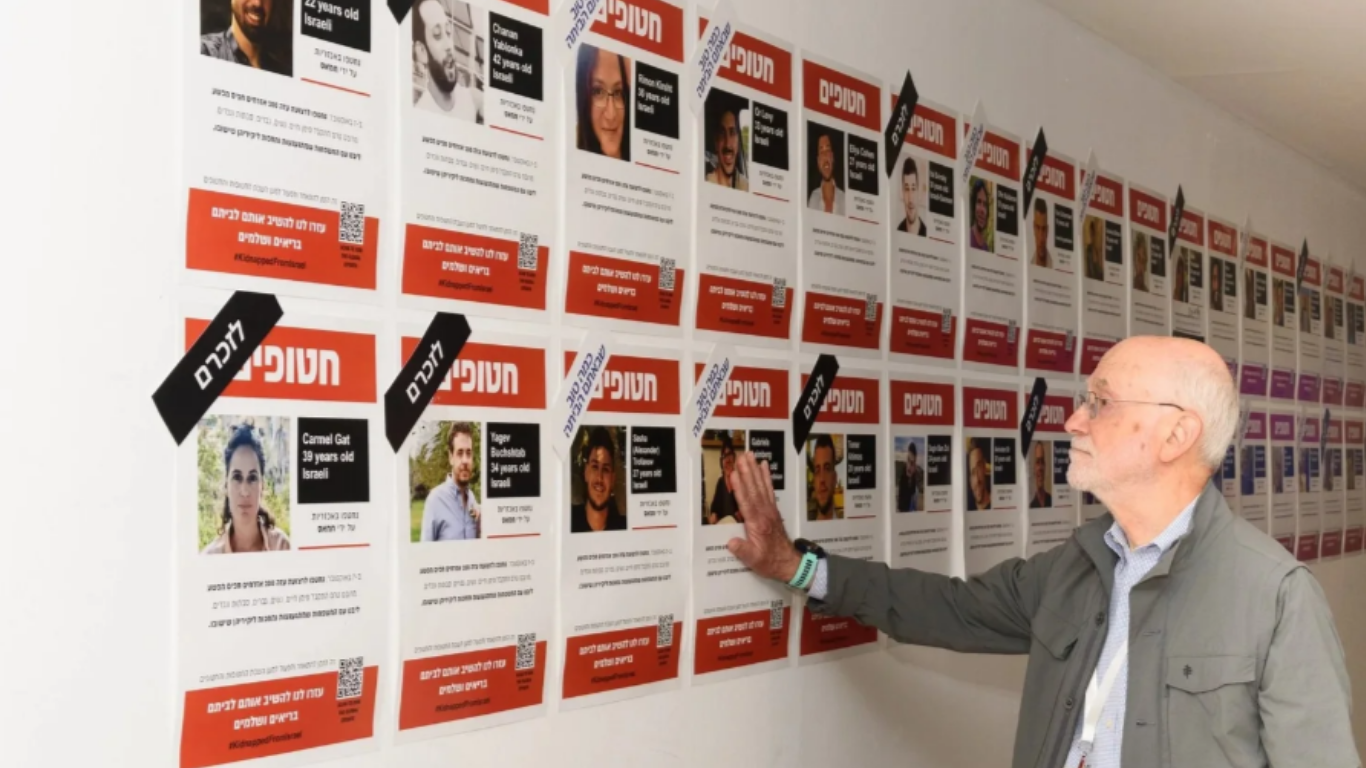
What We Learned on Our Academic Visit to Israel
The environment is challenging, yet the Israeli academic enterprise has proven breathtakingly resilient. Imagine operating a university where a quarter to a third of students, staff, and faculty have been murdered, injured, taken hostage, or are on active military reserve service.
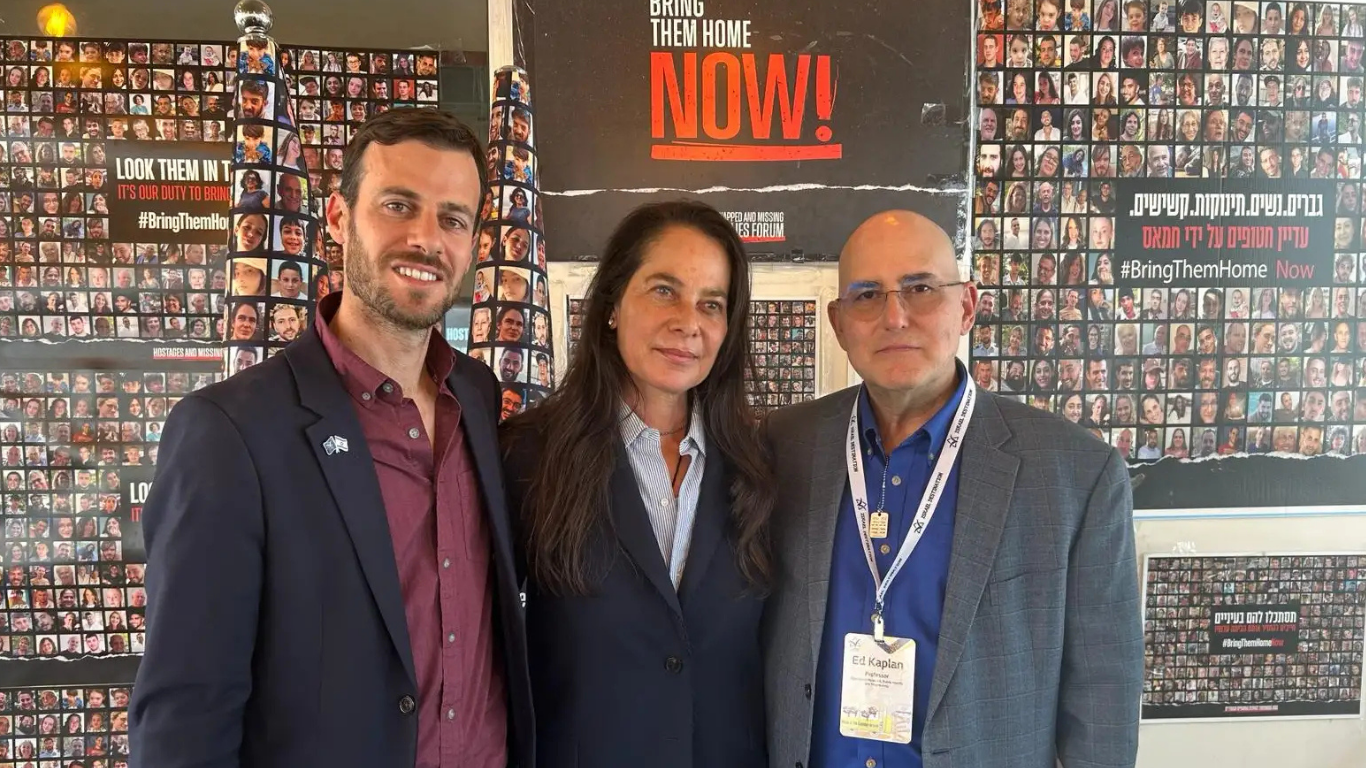
U.S. College Delegation Inspired by Visit to Israel
Yale faculty delegation visited Israel’s hard-hit south, including Kfar Aza and Sderot, and toured the site of the Supernova music festival near Kibbutz Re’im, where 364 people were murdered by Hamas terrorists and 40 others were kidnapped and taken to Gaza. The delegation also visited Ben-Gurion University.
Revisiting the Boycott Campaign at the American Anthropological Association
The American Anthropological Association’s academic boycott against Israel reflects part of a growing trend in the United States to isolate Israel in the international community of scholars.

Boycotts Betray the Ethos of Science
I have spent my career in academic science and believe that merit and objectivity are essential guarantors of the scientific enterprise. Boycotts pose the greatest threat. Today, they are being used to target Israel, but, in reality, they are aimed at the heart of science.
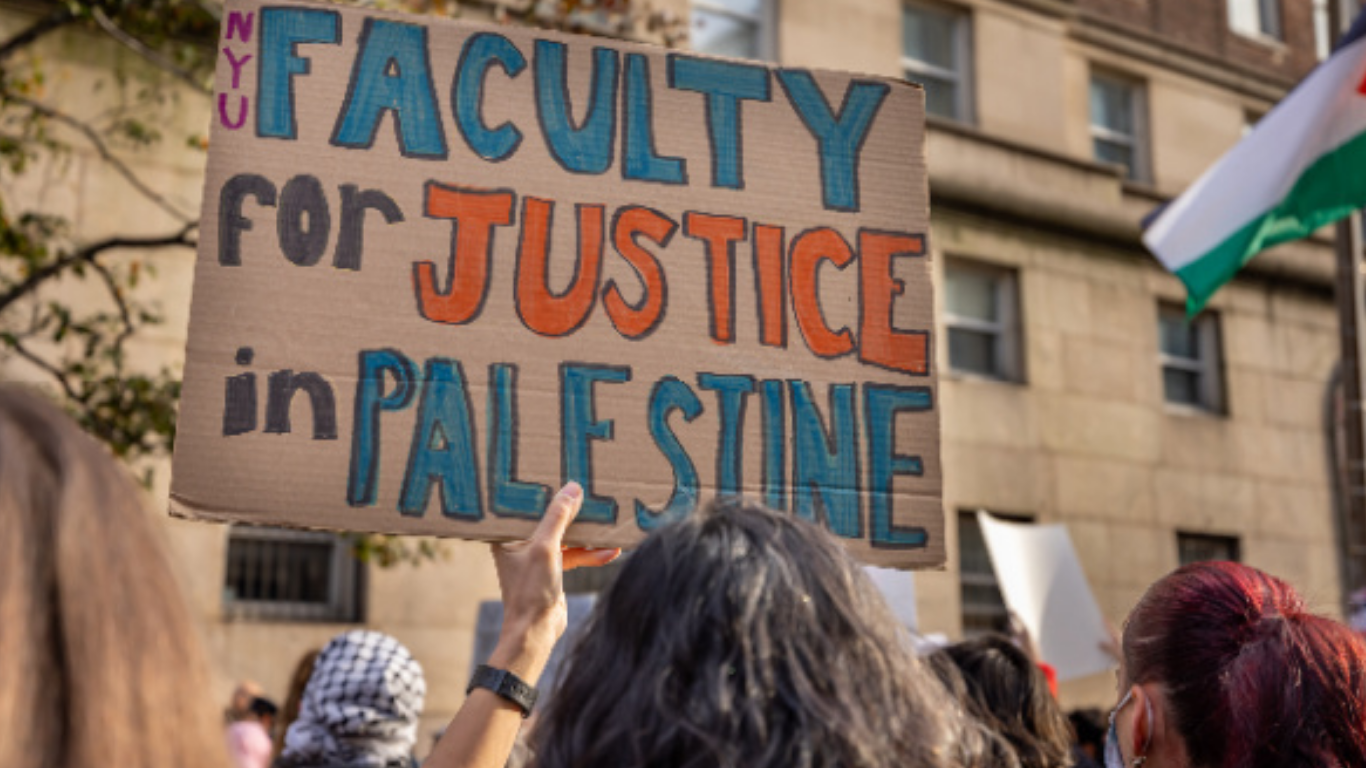
Radicalized Faculty are the Greater Danger Lurking Behind Campus Protests
This threat is the organization of radicalized faculty members who will continue to spread venomous pro-Hamas rhetoric in their classrooms, provide cover for Israel-bashing students, promote a vicious boycott of Israeli academics, and ultimately pervert internal university hiring, promotion, and review processes.
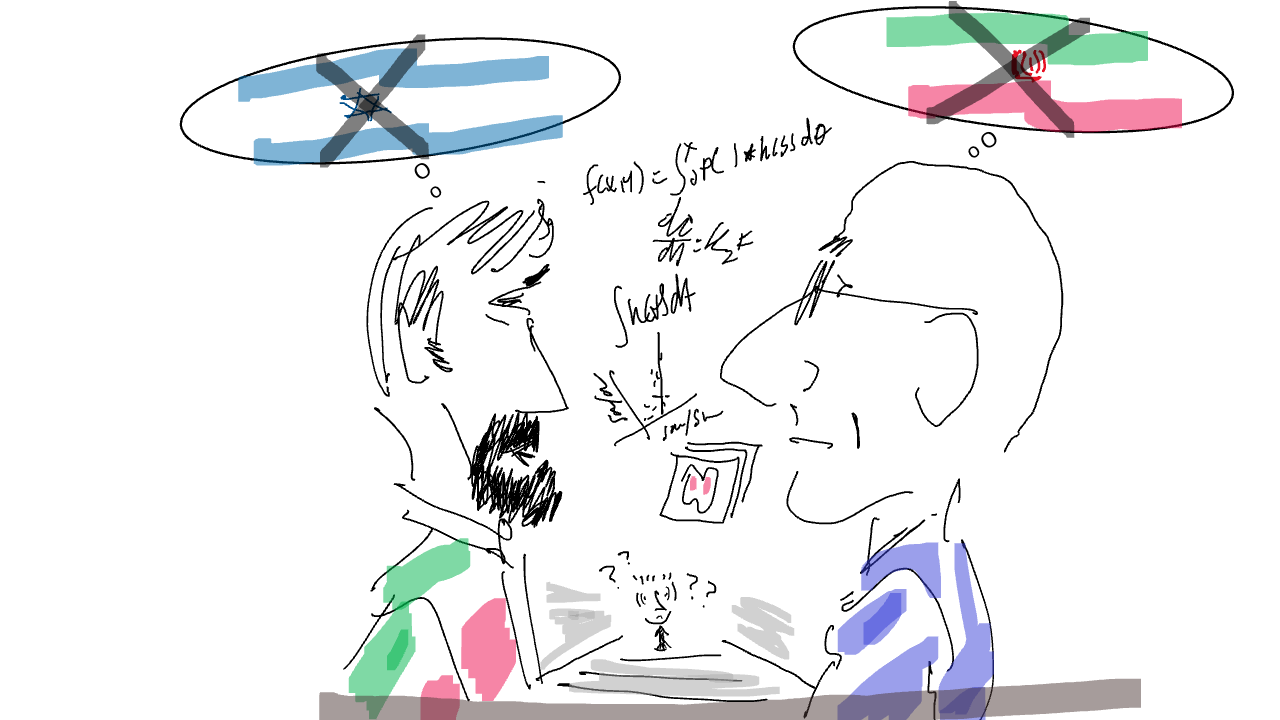
Indivisible: The Israeli Academy after October 7th
These are introductory remarks from Professor Evan Morris at The Buckley Institute in New Haven on March 26, 2026 prior to screening the short documentary, Indivisible.

Between remembrance and independence, the European academy looks away
The result is a narrowing of the intellectual environment itself — a loss of the friction and plurality on which serious inquiry depends.

Post-Passover Updates and Resources
ICSA’s mission includes documenting and antizionism “as a movement,” and one thing that movement does is harass, ostracize, and expel “Zionists” from organizations, jobs, campuses, and the public square.
Get FAAM Support
The Faculty Against Antisemitism Movement, or FAAM, is a network of academics who stand against antisemitism on campus — and demand that university leaders join them.
Books
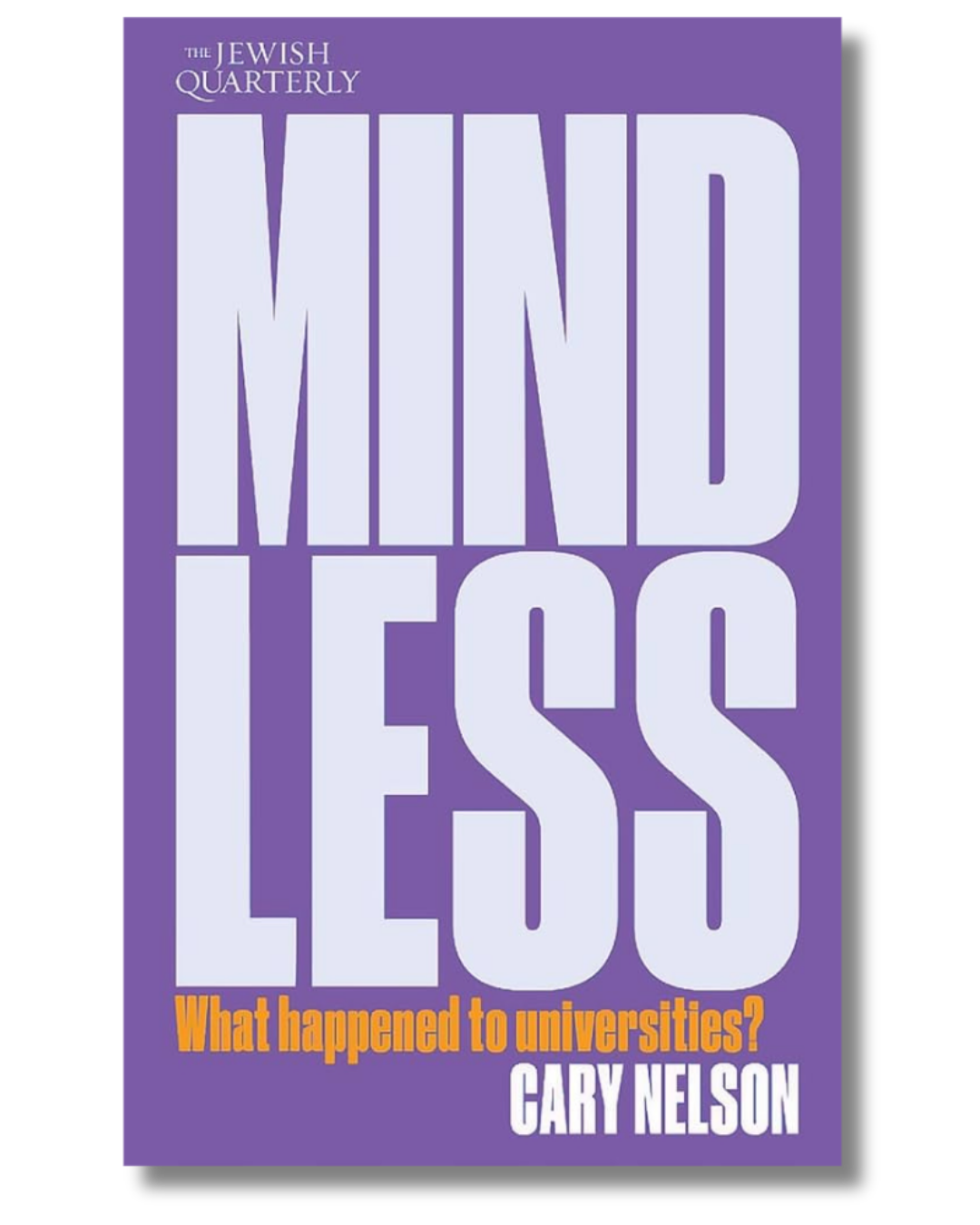
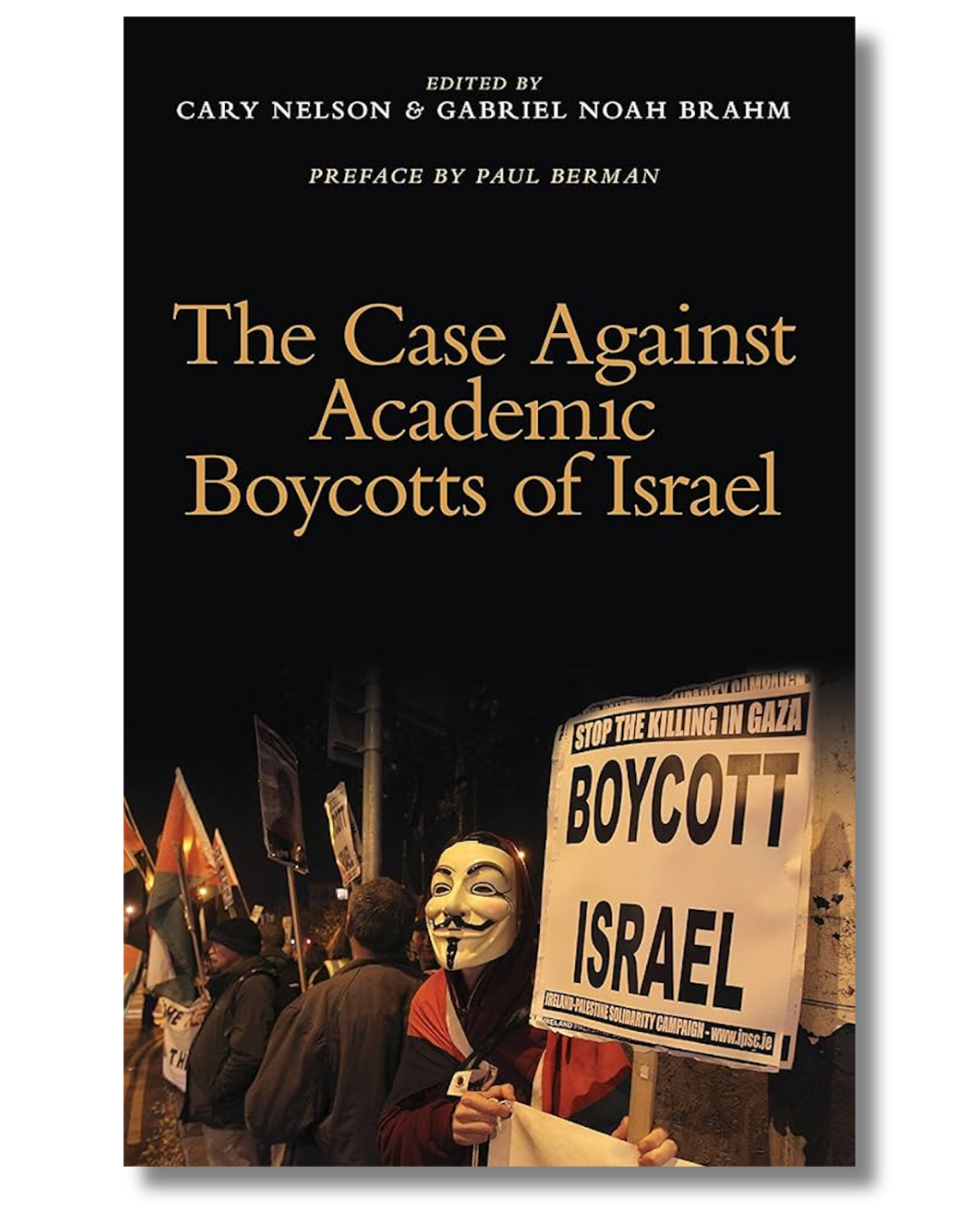
Organizations and Projects



Testimonials
"Barely 18 minutes long, this well edited short film documents the combined sorrow and resilience of Arab, Druze, and Jewish students and faculty in Israel as they lived through the effects of 10/7/23. With so many horrific stories to learn about, it is easy to miss the fact that Israeli higher education lost many members of its community that day. Appallingly, efforts to rekindle academic boycotts of Israeli universities were renewed before the academic community could finish burying its dead. If you care about justice and academic freedom, watch Indivisible."

"What a terrific and essential short film, about the academy both here and in Israel post October 7. Dropping truth bombs, refuting anti-Israel libels disseminated by campus anti-Israelists, revealing the resilience of Israeli academics, the film packs more into its 18 minutes than one would think possible — but also invites further discussion. Despite the bleakness of the Hamas massacre and wide-scale academic affirmation of it, the film also presents a hopeful vision — of peace, of coexistence — that could only be realized in Israel."

"Thanks to this film, we get to see what is really going on. Science requires collaboration, and that collaboration is exactly what Israelis have and work toward in their own institutions. Arabs, Jews, Christians, Muslims and Druze work together in Israel's hospitals. Academic boycotts thwart the goals of science; they harm individual professors but also those who stand to benefit from lifesaving technologies developed in Israel. This short film is an eye-opener. As a Yale grad, I am proud of the academics who took the trip and made this film possible."

"I was incredibly moved watching this video of the Yale faculty mission to Israel — to see how deeply the visit affected them and how much it meant to their Israeli colleagues. Having led a similar Penn faculty mission just weeks earlier, I know firsthand how transformative it is to show up for our colleagues — and how urgently more universities need to do the same."

"The authentic voices and ideas expressed in Indivisible are much needed in any discussion of the unfortunate predicament facing Israel's vibrant academic communities. When outside criticism of a country's political leadership devolves into hostile boycotts of its intellectual and scientific output, it adversely affects the lives of that country's citizens and those beyond. This clear-thinking film exemplifies the profound potential documentaries have in advancing important conversations."

"The film showcases one of the most effective approaches to countering anti-Israel sentiment on campuses — exposure to the reality of Israel. The trip documented in the film highlights the extraordinary opportunities for U.S. and Israeli scholars to collaborate, to further scientific breakthroughs, and to promote mutual understanding."

"I was incredibly impressed by the manner in which Israel has historically integrated Palestinian Israelis into the health care system at every level for both patients and providers."
"I am proud to collaborate with Israelis who are experts in my field, and I have done so my entire 20+-year career. I have seen direct messages documenting that Israelis have had an increasingly hard time getting publications, grants, and external promotion reviews – simply because they are Israeli. This is wrong. Indivisible confirms these observations and illustrates their real, personal impact."

"In this day and age when we hear so much negativity about academia, Indivisible presents a tender and hopeful portrait of coexistence through academic cooperation."